
Project features
Start:
End:
Oct 2024
Mar 2025
Location:
Client:
Uzbekistan
Global Green Growth Institute (GGGI)
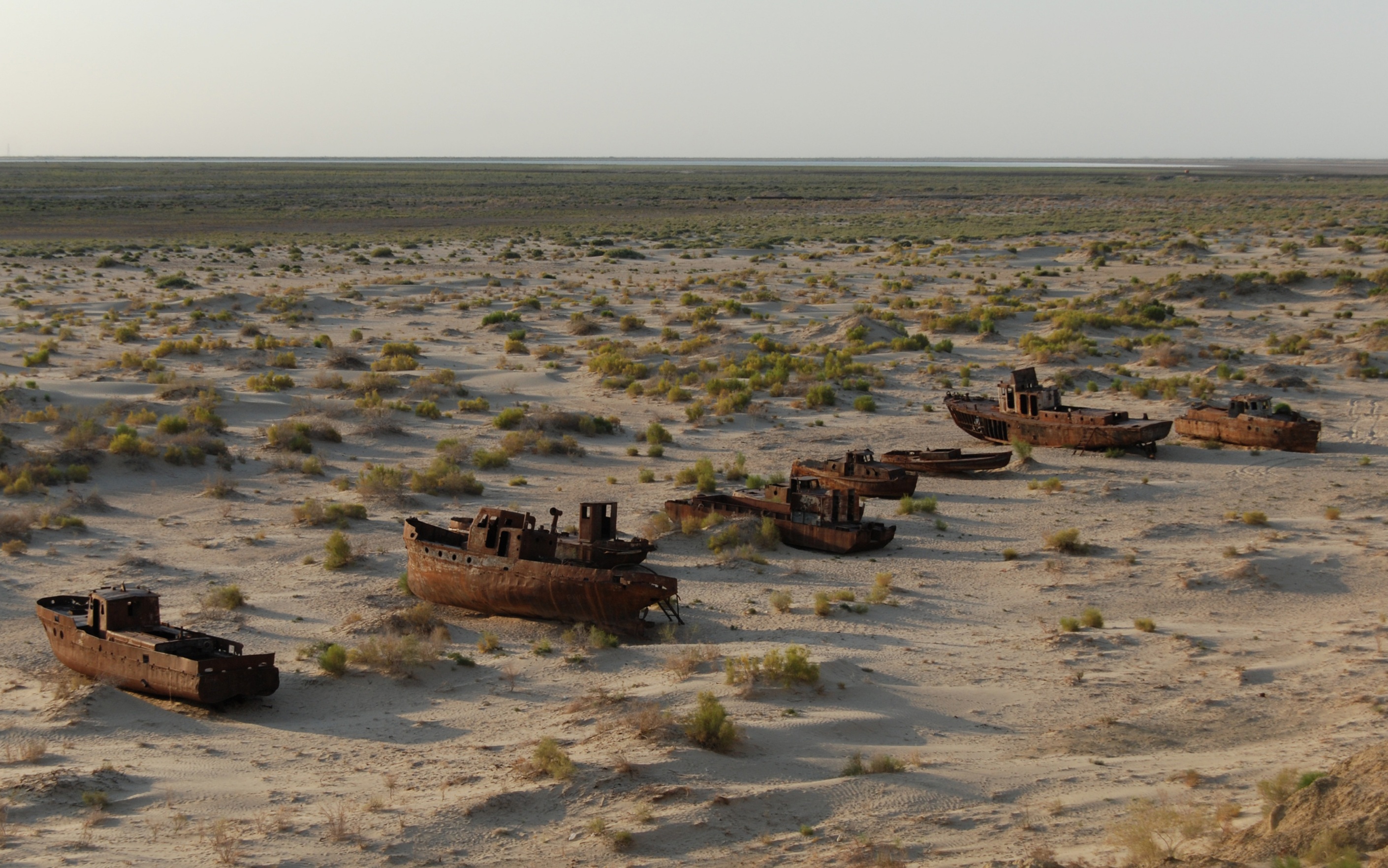
GGGI hired the consultant to conduct the final project evaluation of the Green Rehabilitation Investment Project for Karakalpakstan Republic to address impacts of the Aral Sea Crisis (GRIP project). Funded by KOICA, the Aral Sea GRIP project supported green rehabilitation in Karakalpakstan by promoting climate-resilient agri-business models for sustainable livelihoods. Key objectives included reducing disaster risk, enhancing food security, addressing urgent human security needs, demonstrating viable agri-business models, and mobilizing green finance to support MSME development in the region. The project was in partnership with local and national government agencies and organizations. Project had a budget of $5.6 million implemented from 2021 till 2024 (with extension to mid-2025 happened after Project evaluation).
The project evaluation aims to enhance GGGI’s internal knowledge by assessing the actual project impact on beneficiaries. It aims to strengthen accountability through transparent communication and improved MEL frameworks. Additionally, the evaluation will inform future projects by providing lessons lerned and recommendations. This comprehensive evaluation will be based on the OECD-defined evaluation criteria of efficiency, effectiveness, and sustainability.
Services provided
The evaluation
followed international best practices, starting with the development of a
detailed Evaluation Plan in consultation with GGGI. Key data collection methods
included:
- Document analysis: a review of the project outputs, related materials, and socio-economic and environmental conditions in Karakalpakstan;
- Interviews: conducted with GGGI project stakeholders, including the steering committee and implementation partners, lasting up to one hour each;
- Results workshop (delivered together with Data Collection Report): a session for GGGI, KOICA and project stakeholders to share insights and lessons learned;
- Surveys and Focus Group Discussions (FGDs): Conducted with project beneficiaries in Karakalpakstan, supplemented by face-to-face surveys for those with limited internet access.
The project, carried
out collaboratively by Risk Frontiers and Juru involved 36 stakeholder
interviews, 6 Focus Group Discussions with a total of 72 participants, a survey
of 194 participants from the Project’s capacity-building program, and an
analysis of 121 Project documents.
The Final Evaluation Report, delivered at the conclusion of the project, provided a comprehensive evaluation of the outcomes, structured according to the OECD evaluation criteria and key evaluation questions, along with their corresponding sub-questions. Additionally, the report included recommendations aimed at enhancing future project implementation.


